In today’s fast-paced digital world, businesses are turning to WhatsApp CRM integration to supercharge customer engagement. This powerful blend of instant messaging and customer relationship management is reshaping how companies connect, convert, and retain clients—fast, personal, and at scale.
What Is WhatsApp CRM Integration?

WhatsApp CRM integration refers to the seamless connection between WhatsApp, the world’s most popular messaging app, and a Customer Relationship Management (CRM) system. This integration allows businesses to manage customer conversations, automate responses, track interactions, and streamline sales and support processes—all from a unified platform.




The Evolution of Customer Communication
Customer communication has evolved dramatically over the past two decades. From traditional phone calls and emails to real-time chat and social media messaging, businesses now operate in an environment where speed and personalization are non-negotiable. WhatsApp, with over 2.7 billion users globally as of 2024, has become a primary channel for personal and business communication alike.
- Early 2000s: Email and phone calls dominated customer service.
- 2010s: Rise of live chat and social media support.
- 2020s: Messaging apps like WhatsApp, Telegram, and Facebook Messenger take center stage.
This shift has pushed companies to adopt tools that meet customers where they already are—on their phones, in their messaging apps.
How WhatsApp CRM Integration Works
At its core, WhatsApp CRM integration connects your CRM database with the WhatsApp Business API. When a customer sends a message, the system identifies them using their phone number, pulls up their profile from the CRM, and enables agents—or automated bots—to respond with context-aware messages.
Data Sync: Customer info, purchase history, and past interactions are pulled in real time.Automated Triggers: Messages can be sent based on user behavior (e.g., cart abandonment).Two-Way Communication: Both businesses and customers can send texts, images, documents, and even make voice or video calls..
“WhatsApp isn’t just a messaging app anymore—it’s a business platform.Integration with CRM turns it into a sales and service powerhouse.” — TechCrunch, 2023
Why WhatsApp CRM Integration Is a Game-Changer
Integrating WhatsApp with your CRM isn’t just a tech upgrade—it’s a strategic move that impacts customer satisfaction, operational efficiency, and revenue growth.With open rates exceeding 98% and response times under 5 minutes on average, WhatsApp outperforms email and social media in engagement..
Unmatched Customer Engagement
WhatsApp is where people spend their time. Unlike emails that go unread or social media messages buried in feeds, WhatsApp notifications are almost always seen and responded to quickly. When combined with CRM data, businesses can deliver hyper-personalized messages that feel natural and helpful—not spammy.
- Personalized greetings using customer names and past interactions.
- Timely follow-ups after purchases or support tickets.
- Proactive service alerts (e.g., delivery updates, appointment reminders).
This level of engagement builds trust and loyalty, turning one-time buyers into repeat customers.
Real-Time Support and Faster Resolution
One of the biggest advantages of WhatsApp CRM integration is the ability to offer instant, real-time support. Customers no longer need to wait on hold or navigate complex IVR systems. They simply message the business, and within minutes—or seconds—receive a response.
- Automated chatbots handle common queries (e.g., order status, return policies).
- Live agents are seamlessly looped in when needed, with full context from the CRM.
- Support tickets are automatically logged and tracked.
According to a Forrester Research report, companies using real-time messaging see a 30% reduction in average resolution time.
Key Benefits of WhatsApp CRM Integration
The advantages of integrating WhatsApp with your CRM go beyond just faster replies. This synergy unlocks a range of operational and strategic benefits that can transform your customer experience.
1. Higher Conversion Rates
When sales teams can reach out via WhatsApp with personalized offers based on CRM data—such as browsing history or past purchases—conversion rates soar. A study by Gartner found that businesses using WhatsApp for sales saw a 25-35% increase in conversion compared to email campaigns.
- Targeted product recommendations sent directly to the customer’s phone.
- Quick answers to objections or questions during the buying process.
- Easy payment links and catalog sharing via WhatsApp.
For example, an e-commerce brand can send a message like: “Hi Sarah, the sneakers you viewed are back in stock! Tap here to buy now with 10% off.” This level of personalization drives action.
2. Improved Customer Retention
Retention is often more valuable than acquisition. WhatsApp CRM integration helps nurture long-term relationships by keeping communication consistent and meaningful. Automated birthday messages, loyalty program updates, and post-purchase check-ins make customers feel valued.
- Automated post-purchase follow-ups to ensure satisfaction.
- Exclusive offers for repeat customers.
- Feedback collection via quick polls or surveys sent over WhatsApp.
Companies like Zendesk have reported that businesses using WhatsApp for retention see a 20% higher customer lifetime value (CLV).
3. Streamlined Sales Processes
Sales teams spend too much time switching between tools—email, phone, CRM, spreadsheets. WhatsApp CRM integration consolidates everything into one workflow. Sales reps can view customer history, send proposals, and close deals—all without leaving the chat interface.
- Instant access to lead status, deal stage, and notes.
- Automated reminders for follow-ups.
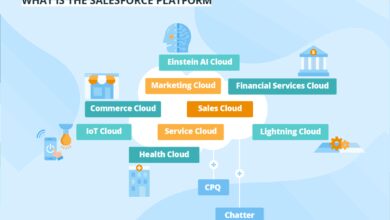
- Integration with tools like Salesforce, HubSpot, or Zoho CRM.
This reduces administrative overhead and increases the number of meaningful customer interactions per day.
Top Use Cases of WhatsApp CRM Integration
WhatsApp CRM integration isn’t just for large enterprises. Businesses across industries—from e-commerce to healthcare—are leveraging this technology to improve operations and customer satisfaction.
E-Commerce and Retail
Online stores use WhatsApp CRM integration to guide customers through the entire purchase journey. From product inquiries to order confirmations and delivery updates, every touchpoint is managed efficiently.
- Send personalized product catalogs based on browsing behavior.
- Notify customers of flash sales or limited stock.
- Handle returns and exchanges via chat with photo uploads.
Brands like Nykaa and Flipkart in India have reported a 40% increase in order completion rates after implementing WhatsApp-based customer journeys.
Banking and Financial Services
Banks and fintech companies use WhatsApp CRM integration to deliver secure, real-time updates and support. Customers receive balance alerts, transaction confirmations, and fraud warnings instantly.
- Two-factor authentication via WhatsApp messages.
- Loan application status updates.
- Personalized financial advice based on spending patterns.
According to a McKinsey report, 68% of banking customers prefer WhatsApp for service inquiries over call centers.
Healthcare and Appointment Management
Hospitals and clinics use WhatsApp CRM integration to reduce no-shows and improve patient engagement. Automated reminders, teleconsultation links, and prescription follow-ups are sent directly to patients.
- Appointment confirmations and rescheduling via chat.
- Post-visit care instructions and medication reminders.
- Secure sharing of lab reports and medical images.
In Brazil, public health clinics using WhatsApp for patient outreach saw a 30% reduction in missed appointments.
How to Implement WhatsApp CRM Integration
Implementing WhatsApp CRM integration requires careful planning, the right tools, and compliance with WhatsApp’s business policies. Here’s a step-by-step guide to get you started.
Step 1: Choose the Right CRM Platform
Not all CRMs support WhatsApp integration natively. Look for platforms that offer built-in WhatsApp Business API support or have reliable third-party connectors.
- Salesforce: Offers integration via partners like MessageBird and Twilio.
- HubSpot: Supports WhatsApp through official integrations and middleware tools.
- Zoho CRM: Has native WhatsApp integration for sales and support teams.
Ensure your CRM can sync contact data, track conversations, and trigger automated workflows.
Step 2: Apply for WhatsApp Business API Access
To use WhatsApp for business at scale, you need access to the WhatsApp Business API. This is not available through the standard WhatsApp Business app but requires approval from Meta (formerly Facebook).
- Apply via a WhatsApp Business Solution Provider (BSP) like Twilio, 360dialog, or Clickatell.
- Provide business verification details (legal name, address, website).
- Comply with WhatsApp’s Commerce and Security Policies.
Approval can take 1-4 weeks, depending on the provider and completeness of documentation.
Step 3: Set Up Automation and Workflows
Once API access is granted, configure automated messages and workflows. These should be designed to enhance, not replace, human interaction.
- Create welcome messages for new customers.
- Set up cart abandonment reminders with personalized product links.
- Automate support responses for FAQs (e.g., store hours, return policy).
Use CRM triggers to send messages based on customer behavior, such as a follow-up after a support ticket is closed.
Challenges and Best Practices in WhatsApp CRM Integration
While the benefits are significant, WhatsApp CRM integration comes with challenges. Privacy concerns, message limits, and user opt-in requirements must be handled carefully.
Data Privacy and Compliance
WhatsApp is end-to-end encrypted, which ensures message security. However, businesses must still comply with data protection laws like GDPR (Europe), CCPA (California), and LGPD (Brazil).
- Obtain explicit consent before sending marketing messages.
- Allow users to opt out at any time with a simple command (e.g., “STOP”).
- Store customer data securely and delete it upon request.
Failure to comply can result in account suspension or legal penalties.
Avoiding Spam and Maintaining Trust
WhatsApp has strict anti-spam policies. Sending unsolicited messages or using automation excessively can lead to your number being banned.
- Only message users who have opted in via a clear consent mechanism.
- Limit promotional content; focus on value-driven communication.
- Monitor message delivery rates and user feedback.
“Respect the inbox. WhatsApp is personal space—treat it like a conversation, not a broadcast channel.” — Meta Business Guidelines
Training Your Team
Even with automation, human agents play a crucial role. Train your team on tone, response time, and escalation protocols.
- Set SLAs (Service Level Agreements) for response times (e.g., under 15 minutes).
- Use canned responses for consistency, but personalize when possible.
- Monitor chat quality through regular audits.
A well-trained team ensures that every interaction builds trust and brand value.
Future Trends in WhatsApp CRM Integration
The future of WhatsApp CRM integration is bright, with advancements in AI, omnichannel support, and deeper analytics on the horizon.
AI-Powered Chatbots and Virtual Assistants
Next-generation chatbots will go beyond simple Q&A. Powered by natural language processing (NLP) and machine learning, they’ll understand context, sentiment, and intent—offering near-human interactions.
- AI bots will handle complex queries like refund requests or product comparisons.
- They’ll learn from past interactions to improve responses over time.
- Integration with voice assistants for hands-free customer service.
Companies like IBM Watson are already piloting AI-driven WhatsApp bots for enterprise clients.
Omnichannel Customer Experience
The future isn’t just WhatsApp—it’s WhatsApp plus email, SMS, social media, and live chat, all unified in one CRM. Customers will start a conversation on WhatsApp and continue it on Instagram or email without losing context.
- Seamless handoff between channels.
- Unified customer journey mapping.
- Consistent branding and messaging across platforms.
This omnichannel approach ensures no customer falls through the cracks.
Advanced Analytics and Predictive Insights
Future CRM systems will analyze WhatsApp conversations to predict customer behavior—like churn risk or upsell opportunities.
- Sentiment analysis to detect frustration or satisfaction.
- Predictive routing: sending messages to the best-suited agent.
- Performance dashboards showing engagement, conversion, and retention metrics.
These insights will empower businesses to be proactive, not reactive.
Real-World Success Stories of WhatsApp CRM Integration
Many companies have already reaped the rewards of WhatsApp CRM integration. Here are three inspiring examples.
JioMart (India)
JioMart, a leading e-commerce platform in India, integrated WhatsApp with its CRM to enable customers to shop via chat. Users can browse catalogs, place orders, and track deliveries—all within WhatsApp.
- Over 1 million orders processed via WhatsApp in the first six months.
- Customer satisfaction scores increased by 45%.
- Reduced dependency on call centers, saving $2M annually.
Source: jiomart.com
Unilever (Global)
Unilever uses WhatsApp CRM integration for B2B sales with retailers. Sales reps share product updates, place orders, and collect payments via WhatsApp, all synced with their CRM.
- 20% faster order processing.
- Improved data accuracy with real-time updates.
- Stronger relationships with small retailers who prefer messaging over email.
Source: unilever.com
Mayo Clinic (USA)
The Mayo Clinic uses WhatsApp to send appointment reminders, pre-visit instructions, and post-care follow-ups. Integration with their patient management CRM ensures timely, personalized communication.
- 25% reduction in no-shows.
- Higher patient satisfaction scores.
- Secure, HIPAA-compliant messaging environment.
Source: mayoclinic.org
Conclusion: Is WhatsApp CRM Integration Right for Your Business?
WhatsApp CRM integration is no longer a luxury—it’s a necessity for businesses that want to stay competitive in a mobile-first world. With its unmatched reach, engagement, and personalization capabilities, this integration empowers companies to deliver exceptional customer experiences at scale. From boosting sales to improving retention and streamlining support, the benefits are clear and measurable.
While implementation requires planning and compliance, the long-term ROI makes it a smart investment. As AI and omnichannel strategies evolve, WhatsApp will only become more central to customer relationship management. The question isn’t whether you can afford to integrate WhatsApp with your CRM—it’s whether you can afford not to.
What is WhatsApp CRM integration?
WhatsApp CRM integration is the process of connecting your Customer Relationship Management system with WhatsApp, allowing you to manage customer conversations, automate messages, and sync data—all within a unified platform.
Is WhatsApp CRM integration safe and compliant?
Yes, when done correctly. WhatsApp uses end-to-end encryption, and businesses must comply with data protection laws like GDPR. Always obtain user consent and allow opt-outs to remain compliant.
Which CRM platforms support WhatsApp integration?
Major CRMs like Salesforce, HubSpot, Zoho CRM, and Microsoft Dynamics support WhatsApp integration via official partners like Twilio, MessageBird, or 360dialog.
Can small businesses benefit from WhatsApp CRM integration?
Absolutely. Small businesses can use WhatsApp CRM integration to provide personalized service, automate follow-ups, and compete with larger players—without needing a big support team.
How much does WhatsApp CRM integration cost?
Costs vary based on provider and volume. WhatsApp charges per conversation (e.g., $0.005 to $0.01 per message), and CRM integration tools may have monthly fees. Total cost depends on usage and scale.
Further Reading: