Running a small business is no small feat. With limited resources and endless tasks, staying on top of customer relationships can feel overwhelming. That’s where CRM software for small business comes in—your digital ally to organize, automate, and elevate every customer interaction.
What Is CRM Software for Small Business?
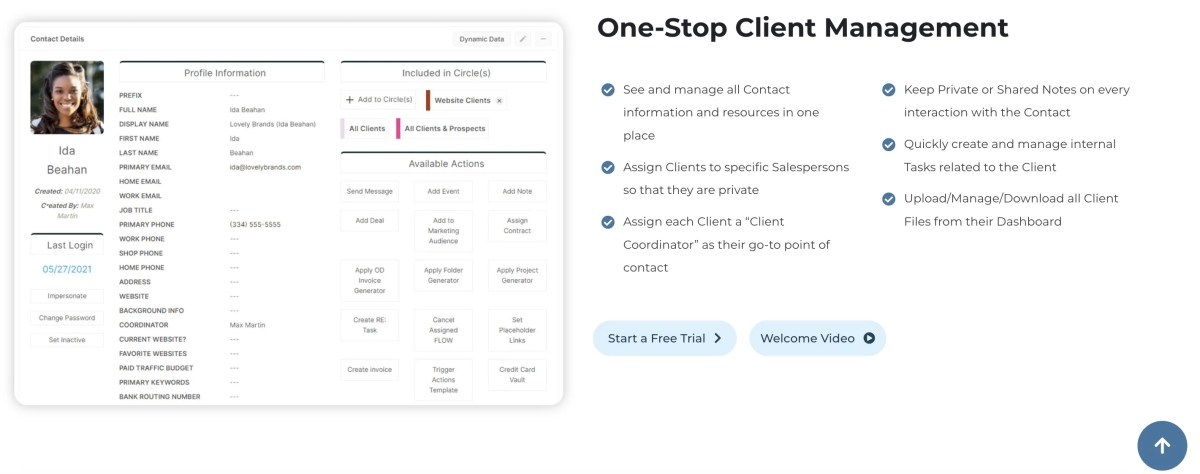
Customer Relationship Management (CRM) software is a powerful tool designed to help businesses manage interactions with current and potential customers. For small businesses, CRM systems streamline sales, marketing, and customer service processes, turning scattered data into actionable insights.




Defining CRM in the Small Business Context
Unlike enterprise-level CRMs that come with complex features and high costs, CRM software for small business focuses on simplicity, affordability, and scalability. These tools are built to meet the unique needs of startups and growing companies—offering intuitive interfaces, essential automation, and seamless integration with existing platforms like email, calendars, and social media.
- Centralizes customer data in one accessible location
- Tracks leads, deals, and follow-ups automatically
- Improves team collaboration across departments
According to Salesforce, companies using CRM see a 36% increase in customer satisfaction and a 34% improvement in sales performance. For small businesses, this can mean the difference between stagnation and scalable growth.
Why Small Businesses Need CRM Systems
Many small business owners still rely on spreadsheets, sticky notes, or memory to manage customer relationships. While this might work in the early stages, it quickly becomes unsustainable as the customer base grows.
CRM software for small business eliminates inefficiencies by automating repetitive tasks such as data entry, email follow-ups, and appointment scheduling. This not only saves time but also reduces human error and ensures consistency in customer communication.
“A CRM is not just a tool—it’s a strategy. It helps small businesses think bigger, act smarter, and grow faster.” — HubSpot Blog
Top 7 CRM Software for Small Business in 2024
Choosing the right CRM can be overwhelming with so many options available. To help you make an informed decision, we’ve compiled a list of the 7 most effective CRM software for small business that balance functionality, ease of use, and affordability.
1. HubSpot CRM
HubSpot CRM is widely regarded as one of the best free CRM platforms for small businesses. It offers a robust set of features without requiring a credit card to get started, making it ideal for startups and solopreneurs.
- Free forever plan with contact management, deal tracking, and email integration
- Seamless integration with Gmail and Outlook
- Advanced automation tools in paid tiers
One of HubSpot’s standout features is its ecosystem. As your business grows, you can easily upgrade to marketing, sales, and service hubs without switching platforms. Learn more at HubSpot CRM.
2. Zoho CRM
Zoho CRM is a versatile and scalable solution tailored for small to mid-sized businesses. It combines AI-powered insights with customizable workflows to help teams close deals faster.
- Zia AI assistant provides sales predictions and sentiment analysis
- Drag-and-drop workflow builder for automation
- Mobile app with offline access
Zoho CRM integrates with over 40 business applications, including QuickBooks, Mailchimp, and Shopify. Its pricing starts at $14/user/month, making it a cost-effective choice. Explore more at Zoho CRM.
3. Salesforce Essentials
Salesforce, the global leader in CRM, offers Salesforce Essentials—a streamlined version designed specifically for small businesses with up to 10 users.
- Pre-built sales and support processes
- Real-time dashboards and reporting
- Integration with email, calendar, and social media
Priced at $25/user/month, Salesforce Essentials brings enterprise-grade functionality to small teams. It’s perfect for businesses planning rapid growth. Visit Salesforce Essentials for details.
4. Freshsales (by Freshworks)
Freshsales stands out with its intuitive interface and built-in phone, email, and chat capabilities. It’s designed for sales teams that want to move fast without technical overhead.
- AI-based lead scoring to prioritize hot prospects
- Visual deal pipeline with drag-and-drop functionality
- Free plan available for up to 10 users
Freshsales also offers a smart email assistant that tracks opens and clicks, helping sales reps time their follow-ups perfectly. Check it out at Freshsales.
5. Insightly
Insightly is a CRM software for small business that excels in project and customer relationship management. It’s ideal for service-based businesses like consultants, agencies, and contractors.
- Project tracking with timelines and milestones
- Relationship linking to map customer networks
- Workflow automation and email marketing tools
With pricing starting at $29/user/month, Insightly offers strong value for businesses that manage client projects alongside sales. Learn more at Insightly.
6. Pipedrive
Pipedrive is built with sales-focused small businesses in mind. Its visual sales pipeline makes it easy to track deals from initial contact to close.
- Drag-and-drop pipeline management
- Activity reminders and scheduling tools
- Strong integration with Zapier and Google Workspace
Pipedrive’s user-centric design helps sales teams stay organized and motivated. It’s especially popular among real estate agents, freelancers, and B2B sellers. Visit Pipedrive to start a free trial.
7. Agile CRM
Agile CRM combines sales, marketing, and service tools in one affordable package. It’s a great all-in-one solution for small businesses that want maximum functionality without complexity.
- Free plan with up to 10 users
- Marketing automation with email campaigns and web tracking
- Telephony, helpdesk, and appointment scheduling included
While Agile CRM’s interface can feel cluttered at first, its feature density makes it a powerful choice for growing teams. Explore it at Agile CRM.
Key Features to Look for in CRM Software for Small Business
Not all CRM systems are created equal. When evaluating CRM software for small business, focus on features that deliver real value without overwhelming your team.
1. Contact and Lead Management
The foundation of any CRM is its ability to store and organize customer information. Look for systems that allow you to capture leads from multiple sources—website forms, social media, email campaigns—and automatically add them to your database.
- Custom fields to track relevant customer data
- Duplicate detection to maintain clean records
- Tagging and segmentation for targeted outreach
A well-organized contact list enables personalized communication, which is key to building trust and loyalty.
2. Sales Pipeline and Deal Tracking
A visual sales pipeline helps teams understand where each prospect stands in the buying journey. CRM software for small business should offer customizable stages (e.g., Prospecting, Qualification, Proposal, Closed-Won) and real-time updates.
- Drag-and-drop functionality to move deals
- Automated reminders for follow-ups
- Forecasting tools to predict revenue
According to Nucleus Research, businesses gain an average of $8.71 for every dollar spent on CRM, largely due to improved sales efficiency.
3. Automation and Workflow Tools
Automation is a game-changer for small teams with limited manpower. The right CRM software for small business will let you automate repetitive tasks like:
- Sending follow-up emails after a lead is captured
- Assigning tasks to team members based on triggers
- Updating deal stages when specific actions are completed
These automations reduce manual work, minimize missed opportunities, and ensure consistency in customer engagement.
Benefits of Using CRM Software for Small Business
Implementing a CRM system isn’t just about technology—it’s about transforming how your business operates. The benefits extend across sales, marketing, customer service, and overall business strategy.
Improved Customer Relationships
CRM software for small business gives you a 360-degree view of each customer. You can see their purchase history, past interactions, preferences, and pain points—all in one place.
- Personalize communication based on customer behavior
- Anticipate needs and offer timely solutions
- Build stronger trust and long-term loyalty
When customers feel understood, they’re more likely to stay and refer others.
Increased Sales Efficiency
Sales teams spend nearly one-third of their time on non-selling activities. A CRM reduces this by automating data entry, scheduling meetings, and tracking follow-ups.
- Focus more time on selling, less on admin
- Shorten sales cycles with better lead nurturing
- Improve conversion rates with data-driven insights
With real-time dashboards, managers can monitor team performance and provide coaching where needed.
Enhanced Marketing Effectiveness
CRM systems integrate with email marketing tools to create targeted campaigns. You can segment your audience based on behavior, demographics, or purchase history.
CRM Software for Small Business – CRM Software for Small Business menjadi aspek penting yang dibahas di sini.
- Send personalized offers to high-value customers
- Re-engage inactive leads with automated drip campaigns
- Track campaign ROI directly within the CRM
This level of precision ensures your marketing budget is spent wisely and delivers measurable results.
How to Choose the Right CRM Software for Small Business
Selecting the right CRM isn’t just about features—it’s about fit. A tool that works for a tech startup might not suit a local retail store. Follow these steps to make the best choice.
1. Assess Your Business Needs
Start by identifying your pain points. Are you losing leads? Struggling with follow-ups? Need better reporting? List your top 3-5 challenges.
- Do you need marketing automation?
- Is mobile access important for your team?
- Do you integrate with accounting or e-commerce platforms?
Answering these questions will help narrow down your options.
2. Consider Scalability and Integration
Choose a CRM that can grow with you. Look for platforms that offer tiered pricing and modular add-ons.
- Can it handle more users as your team expands?
- Does it integrate with tools like Slack, Zoom, or Shopify?
- Is there an API for custom development?
Integration reduces data silos and ensures smooth workflows across departments.
3. Evaluate Ease of Use and Support
No matter how powerful a CRM is, it’s useless if your team won’t use it. Prioritize platforms with intuitive interfaces and strong onboarding support.
- Look for free trials or demos
- Check for video tutorials and knowledge bases
- Ensure responsive customer support via chat or phone
According to Gartner, user adoption is the #1 factor in CRM success. A user-friendly system increases engagement and data accuracy.
Common Challenges and How to Overcome Them
Even the best CRM software for small business can face implementation hurdles. Being aware of common challenges helps you plan ahead.
1. Low User Adoption
Employees may resist change, especially if they’re used to spreadsheets or personal systems.
- Solution: Involve the team in the selection process
- Provide hands-on training and ongoing support
- Highlight time-saving benefits with real examples
Start with core features and gradually introduce advanced tools to avoid overwhelm.
2. Data Migration Issues
Transferring data from old systems can be messy—duplicates, missing fields, formatting errors.
- Solution: Clean your data before migration
- Use CSV import tools or professional migration services
- Test a small batch first to ensure accuracy
Most CRM providers offer migration guides or support to help smooth the transition.
3. Over-Reliance on Features
Some businesses get caught up in advanced features they don’t need, leading to complexity and wasted spending.
- Solution: Focus on solving core business problems
- Start with a basic plan and upgrade as needed
- Regularly review usage to eliminate unused features
Remember: Simplicity often leads to better adoption and results.
Future Trends in CRM for Small Businesses
The CRM landscape is evolving rapidly, driven by AI, mobile technology, and customer expectations. Staying ahead of trends ensures your business remains competitive.
1. AI-Powered Insights and Automation
Artificial intelligence is no longer just for big corporations. Modern CRM software for small business uses AI to:
- Predict which leads are most likely to convert
- Suggest the best time to follow up
- Analyze email sentiment to improve communication
Tools like Zoho Zia and HubSpot’s AI features are making smart automation accessible to all.
2. Mobile-First CRM Experiences
With more teams working remotely or on the go, mobile CRM access is essential. Future CRMs will offer richer mobile experiences with offline capabilities, voice input, and push notifications.
- Update deals from a client meeting
- Receive instant alerts for new leads
- Sync data seamlessly across devices
Platforms like Salesforce and Freshsales already offer robust mobile apps, setting the standard for the future.
3. Deeper Integration with E-Commerce and Social Media
As customer touchpoints expand, CRMs are integrating more closely with online stores and social platforms.
- Track customer behavior from Instagram ads to purchase
- Sync Shopify orders with CRM records
- Engage leads directly through Facebook Messenger bots
This creates a unified customer journey, improving both marketing and service.
What is the best CRM software for small business?
There’s no one-size-fits-all answer. The best CRM software for small business depends on your industry, team size, budget, and goals. HubSpot CRM is excellent for startups wanting a free, powerful tool, while Zoho CRM and Salesforce Essentials offer more advanced features for growing teams.
Is CRM software worth it for small businesses?
Absolutely. CRM software for small business improves organization, boosts sales, and enhances customer satisfaction. Even basic CRMs can save hours of manual work and provide valuable insights that drive growth.
Can I use CRM software on my phone?
Yes, most modern CRM platforms offer mobile apps for iOS and Android. These apps allow you to manage contacts, update deals, and communicate with customers on the go.
How much does CRM software cost for small businesses?
Prices vary widely. Many CRMs offer free plans (e.g., HubSpot, Agile CRM), while paid plans typically range from $10 to $50 per user per month. Some, like Salesforce Essentials, start at $25/user/month with more advanced features.
Do I need technical skills to use CRM software?
No. Most CRM software for small business is designed with non-technical users in mind. They feature drag-and-drop interfaces, guided setup, and customer support to help you get started quickly.
Choosing the right CRM software for small business is one of the smartest investments you can make. It brings order to chaos, turns data into decisions, and helps you build stronger customer relationships. Whether you’re a solopreneur or a growing team, there’s a CRM solution that fits your needs. The key is to start small, focus on your core goals, and scale as you grow. With the right tool in place, your small business won’t just survive—it will thrive.
CRM Software for Small Business – CRM Software for Small Business menjadi aspek penting yang dibahas di sini.
Recommended for you 👇
Further Reading:
