Ever wondered why your carefully crafted CRM emails end up in the spam folder? You’re not alone. Millions of businesses face CRM Email Spam issues daily, losing leads, trust, and revenue. Let’s uncover the real reasons—and how to fix them—once and for all.
Understanding CRM Email Spam: What It Really Means

CRM Email Spam isn’t just about annoying messages—it’s a complex ecosystem of sender reputation, user behavior, and algorithmic filtering. When your CRM-sent emails are flagged as spam, it doesn’t always mean you’re doing something wrong. But it does mean something is off.
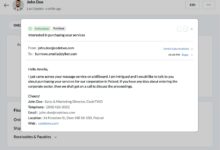
Definition of CRM Email Spam
CRM Email Spam refers to legitimate marketing or transactional emails sent through Customer Relationship Management (CRM) platforms that are incorrectly or justifiably marked as unwanted by email providers or recipients. Unlike traditional spam (unsolicited bulk emails), CRM emails are often permission-based but still get flagged due to technical or behavioral triggers.
How CRM Emails Differ from Regular Spam
Traditional spam is typically sent from unverified sources, uses deceptive subject lines, and lacks opt-out mechanisms. CRM emails, on the other hand, are usually sent to opted-in contacts, contain personalized content, and comply with regulations like CAN-SPAM or GDPR. However, even compliant CRM emails can be flagged if engagement is low or technical setup is flawed.
- CRM emails are permission-based and personalized.
- They originate from authenticated domains and IPs.
- They include unsubscribe links and sender identification.
“Just because an email is legitimate doesn’t mean it’s trusted. Trust is earned through consistent, relevant communication.” — Email Deliverability Expert, 2023
Why CRM Email Spam Happens: The Core Causes
Even the most well-intentioned CRM campaigns can fall victim to spam filters. Understanding the root causes is the first step toward prevention. These triggers are often invisible to senders but are critical to inbox placement.
Poor Sender Reputation and IP Blacklisting
Your sender reputation is like a credit score for email. It’s determined by factors like bounce rates, spam complaints, and engagement history. If your CRM uses a shared IP pool with spammers, or if your domain has a history of poor practices, your emails may be automatically filtered. Tools like SenderBase allow you to check your IP reputation in real time.
Shared IPs in CRM platforms can be risky. If another user on the same IP sends spammy content, your deliverability suffers—even if your content is clean. Dedicated IPs offer more control but require warm-up and consistent volume to maintain reputation.
Content Triggers and Spam Keywords
Even if your intent is pure, certain words and phrases can trigger spam filters. Words like “free,” “guaranteed,” “act now,” or excessive use of exclamation marks (!!!) are red flags. SpamAssassin, a widely used spam filter, assigns point values to these triggers. Exceed the threshold, and your email lands in spam.
CRM platforms often use templates that unknowingly include high-risk language. A/B testing subject lines and previewing content through tools like Mail-Tester can help identify problematic phrases before sending.
- Use neutral language: Replace “FREE” with “complimentary” or “no cost.”
- Avoid ALL CAPS and excessive punctuation.
- Balance promotional content with value-driven messaging.
Authentication Failures: SPF, DKIM, DMARC
Email authentication is non-negotiable. Without proper SPF (Sender Policy Framework), DKIM (DomainKeys Identified Mail), and DMARC (Domain-based Message Authentication, Reporting & Conformance) records, email providers can’t verify your identity. This increases the likelihood of CRM Email Spam classification.
For example, if your CRM sends emails from mail@yourbrand.com but your domain lacks a valid SPF record authorizing that server, the email is treated as spoofed. Setting up these records correctly ensures your CRM emails are recognized as legitimate.
“Over 60% of email deliverability issues stem from missing or misconfigured authentication records.” — Google Postmaster Tools Report, 2022
How CRM Email Spam Affects Your Business
The impact of CRM Email Spam goes far beyond a few missed opens. It can damage your brand, reduce revenue, and erode customer trust over time. Let’s break down the real costs.
Lost Revenue and Reduced Conversion Rates
If your CRM emails never reach the inbox, your marketing efforts are wasted. Consider this: a 20% open rate drop due to spam filtering can translate to a 15–30% decrease in conversions, depending on your funnel. For e-commerce brands, this could mean thousands in lost sales monthly.
A/B tests from HubSpot show that companies with high deliverability see up to 3x more conversions from email campaigns than those with poor inbox placement.
Damage to Brand Reputation and Trust
Being labeled a spammer—even falsely—can tarnish your brand image. Recipients who repeatedly mark your emails as spam (or never see them) may assume you’re untrustworthy. Worse, if your domain is blacklisted, future emails (even transactional ones) may be blocked entirely.
Rebuilding trust takes time. It requires re-engagement campaigns, domain reputation repair, and often, a complete overhaul of email practices.
Increased Unsubscribe Rates and List Churn
When subscribers don’t see your emails, they forget about your brand. When they finally do see one—weeks later—they may not recognize it and hit “unsubscribe” or “mark as spam.” This creates a vicious cycle: low engagement leads to spam filtering, which leads to even lower engagement.
High list churn also skews your analytics, making it harder to measure campaign success and segment audiences effectively.
Top CRM Platforms and Their Spam Risks
Not all CRM systems are created equal when it comes to email deliverability. Some have robust infrastructure, while others cut corners. Let’s examine the leaders and their potential CRM Email Spam pitfalls.
Salesforce: Power with Complexity
Salesforce Marketing Cloud offers enterprise-grade email capabilities, but its complexity can lead to mistakes. Misconfigured sender domains, poor list hygiene, and lack of authentication setup are common issues. However, with proper management, Salesforce maintains a strong sender reputation.
Tip: Use Salesforce’s Email Deliverability Dashboard to monitor bounce rates, spam complaints, and IP reputation.
HubSpot: User-Friendly but Risky at Scale
HubSpot excels in ease of use, but its shared sending infrastructure can be a double-edged sword. Small businesses benefit from its warm IPs, but rapid scaling without proper list segmentation can trigger spam filters.
HubSpot automatically enforces CAN-SPAM compliance and includes unsubscribe links, but users must still monitor content quality and engagement metrics.
Mailchimp (via CRM Integrations): Deliverability Focus
While not a CRM itself, Mailchimp is often integrated with CRMs like Zoho or Pipedrive. It has strong deliverability tools, including spam testing and inbox previews. However, its strict policies mean accounts can be suspended for high complaint rates.
Mailchimp’s spam report monitoring system alerts users when recipients mark emails as spam—giving you a chance to correct course.
- Salesforce: High control, high responsibility.
- HubSpot: Great for starters, needs scaling strategy.
- Mailchimp: Deliverability-focused, but zero tolerance for abuse.
Best Practices to Prevent CRM Email Spam
Preventing CRM Email Spam isn’t about luck—it’s about strategy, hygiene, and consistency. Follow these proven practices to keep your emails in the inbox.
Implement Proper Email Authentication (SPF, DKIM, DMARC)
These three protocols are your first line of defense. SPF tells email providers which servers can send mail for your domain. DKIM adds a digital signature to prove the email wasn’t altered. DMARC tells providers what to do if authentication fails (e.g., quarantine or reject).
Use tools like DMARCian to set up and monitor your records. Start with DMARC in “p=none” mode to collect data before enforcing strict policies.
Maintain List Hygiene and Permission-Based Sending
Dirty lists are a top cause of CRM Email Spam. Remove inactive subscribers, hard bounces, and invalid emails regularly. Use double opt-in to ensure subscribers truly want your emails.
Segment your audience based on engagement. Send re-engagement campaigns to inactive users before removing them. This reduces spam complaints and improves overall list health.
Monitor Engagement Metrics and Feedback Loops
Track open rates, click-through rates, and spam complaint rates. A sudden drop in engagement may signal deliverability issues. Gmail and Microsoft offer feedback loops (FBLs) that notify you when users mark your emails as spam.
Set up Google Postmaster Tools and Microsoft SNDS to monitor your domain reputation in real time. These platforms provide insights into spam rate, IP reputation, and domain authentication status.
“The best way to avoid CRM Email Spam is to send emails people actually want to receive.” — Deliverability Consultant, 2023
How to Fix CRM Email Spam Issues: A Step-by-Step Guide
If your CRM emails are already being flagged, don’t panic. You can recover—but it takes time and discipline. Follow this actionable plan to regain inbox placement.
Diagnose the Problem with Email Testing Tools
Start by testing your emails. Use Mail-Tester to send a sample email and get a spam score. It checks for authentication issues, content red flags, and blacklisting.
Another option is SparkPost Email Explorer, which simulates how major providers (Gmail, Outlook, Yahoo) will treat your message.
Rebuild Sender Reputation with Warm-Up Strategies
If your IP or domain reputation is damaged, you need a warm-up period. Start by sending small volumes (50–100 emails/day) to your most engaged subscribers. Gradually increase volume over 2–4 weeks.
Avoid sending to inactive lists during warm-up. Focus on high-open, high-click segments to rebuild positive engagement signals.
Engage in Reputable List Cleaning and Removal Requests
If your domain is blacklisted, visit sites like Spamhaus or MXToolbox to check your status. Most allow delisting requests once the issue is resolved.
Use email verification services like ZeroBounce or NeverBounce to clean your list before resuming campaigns. Remove invalid, disposable, and role-based emails (e.g., admin@, info@).
- Test emails with Mail-Tester.
- Warm up IPs gradually.
- Remove bad addresses and request delisting.
Future-Proofing Your CRM Email Strategy
The email landscape is evolving. AI, stricter privacy laws, and smarter spam filters mean yesterday’s tactics won’t work tomorrow. Here’s how to stay ahead of CRM Email Spam trends.
Adopt AI-Powered Content Optimization
AI tools can now predict spam likelihood based on language, structure, and engagement history. Platforms like Persado or Phrasee optimize subject lines and body content to maximize deliverability and engagement.
These tools analyze millions of email interactions to recommend the safest, most effective wording—reducing the risk of CRM Email Spam triggers.
Leverage Inbox Placement Testing Services
Services like GlockApps or Litmus allow you to test where your emails land—inbox, spam, or blocked—across multiple providers. You get screenshots and detailed reports, helping you tweak campaigns before full deployment.
Run these tests monthly, especially after making changes to templates, sender domains, or content strategy.
Stay Compliant with Evolving Email Regulations
Laws like GDPR, CAN-SPAM, and the upcoming ePrivacy Regulation require strict consent management and transparency. Non-compliance doesn’t just risk fines—it increases spam filtering.
Ensure your CRM logs consent timestamps, provides easy opt-out, and allows data access requests. Use consent management platforms (CMPs) to automate compliance.
“The future of CRM email isn’t just about sending more—it’s about sending smarter.” — TechCrunch, 2023
What is CRM Email Spam?
CRM Email Spam refers to legitimate emails sent via Customer Relationship Management systems that are flagged as spam by email providers or users, often due to poor sender reputation, content issues, or authentication failures.
How can I check if my CRM emails are being marked as spam?
Use tools like Mail-Tester, Google Postmaster Tools, or GlockApps to analyze your email deliverability and spam score. Monitor spam complaint rates in your CRM analytics.
Does using a CRM guarantee my emails won’t go to spam?
No. While CRMs provide infrastructure, deliverability depends on your list quality, content, authentication, and engagement. Even top CRMs can’t protect you from poor email practices.
What’s the first step to fix CRM Email Spam issues?
Start by testing your email with Mail-Tester to identify technical flaws. Then, clean your list, verify authentication records, and monitor engagement metrics.
Can AI help prevent CRM Email Spam?
Yes. AI-powered tools can optimize email content, predict spam risk, and suggest improvements to boost deliverability and engagement.
CRM Email Spam is a silent killer of digital marketing success. It’s not just about avoiding filters—it’s about building trust, maintaining reputation, and delivering value. By understanding the causes, leveraging the right tools, and following best practices, you can ensure your CRM emails reach the inbox, not the spam folder. The key is consistency, compliance, and continuous improvement. Stay proactive, and your audience will stay engaged.
Recommended for you 👇
Further Reading:
