Imagine a world where your customer service never sleeps, sales leads are nurtured 24/7, and every client interaction feels personal—thanks to a CRM with AI chatbot integration. This isn’t science fiction; it’s today’s business reality.
What Is CRM with AI Chatbot Integration?

A CRM with AI chatbot integration combines the data-rich environment of Customer Relationship Management (CRM) systems with the conversational intelligence of Artificial Intelligence (AI) chatbots. This fusion enables businesses to automate customer interactions while maintaining a personalized touch, all while capturing and analyzing valuable customer data in real time.





Understanding CRM Systems
Customer Relationship Management (CRM) platforms like Salesforce, HubSpot, and Zoho are designed to manage all aspects of customer interactions. These systems store customer data, track sales pipelines, manage marketing campaigns, and support customer service operations.
- Centralizes customer information across departments
- Tracks customer interactions across multiple channels
- Enables data-driven decision-making through analytics
CRMs are the backbone of modern customer-centric strategies, but they traditionally rely on human input and manual follow-ups. This is where AI chatbots come in to supercharge their capabilities.
The Role of AI Chatbots
AI chatbots are software applications powered by natural language processing (NLP) and machine learning. They can understand, interpret, and respond to human language in real time. When integrated with a CRM, these bots become intelligent assistants that can access customer histories, update records, and initiate workflows.
- Provide instant responses to customer inquiries
- Learn from past interactions to improve future responses
- Handle repetitive tasks like appointment scheduling or order tracking
“AI chatbots are not replacing humans—they’re freeing them to focus on higher-value tasks.” — Gartner Research
The integration creates a seamless loop: the chatbot interacts with the customer, logs the conversation in the CRM, and triggers relevant actions—such as assigning a ticket to a support agent or updating a lead status.
7 Key Benefits of CRM with AI Chatbot Integration
Integrating AI chatbots into your CRM system isn’t just a tech upgrade—it’s a strategic transformation. Here are seven powerful benefits that make this integration a game-changer for businesses of all sizes.
1. 24/7 Customer Support Without the Overhead
One of the most compelling advantages of a CRM with AI chatbot integration is round-the-clock customer service. Unlike human agents, AI chatbots don’t need breaks, vacations, or sleep. They can handle customer queries at 3 a.m. or on holidays with the same efficiency.
- Reduces response time from hours to seconds
- Handles high volumes of inquiries simultaneously
- Lowers operational costs by reducing the need for large support teams
For example, a telecom company using a CRM with AI chatbot integration reported a 40% reduction in after-hours support tickets by resolving common issues like billing questions and service outages automatically.
2. Hyper-Personalized Customer Experiences
Personalization is no longer a luxury—it’s an expectation. A CRM with AI chatbot integration leverages customer data to deliver tailored interactions. The chatbot can greet a returning visitor by name, recommend products based on past purchases, and even anticipate needs using behavioral analytics.
- Uses CRM data to personalize greetings and recommendations
- Adapts tone and language based on customer profile
- Suggests relevant content or offers in real time
According to a study by McKinsey, personalized experiences can increase customer satisfaction by up to 20% and boost sales by 15%.
3. Automated Lead Qualification and Nurturing
Generating leads is one thing—converting them is another. A CRM with AI chatbot integration can qualify leads instantly by asking targeted questions and scoring them based on responses. High-potential leads are then routed to sales teams with full context.
- Asks qualifying questions during live chats
- Assigns lead scores based on engagement and intent
- Schedules follow-ups and sends automated nurturing emails
For instance, a B2B SaaS company using this system saw a 35% increase in qualified leads and a 25% shorter sales cycle.
4. Real-Time Data Capture and CRM Updates
Manual data entry is not only time-consuming but also prone to errors. With AI chatbot integration, every customer interaction automatically updates the CRM. Whether it’s a new inquiry, a support ticket, or a purchase, the data flows seamlessly into the system.
- Logs chat transcripts directly into customer profiles
- Updates contact information and preferences in real time
- Triggers workflows like sending a welcome email or creating a task
This eliminates data silos and ensures that sales, marketing, and support teams always have access to the most current information.
5. Scalability Without Sacrificing Quality
As your business grows, so do customer inquiries. Scaling human support can be expensive and slow. A CRM with AI chatbot integration allows you to scale customer service instantly—without compromising on quality.
- Handles thousands of conversations simultaneously
- Maintains consistent response quality across all interactions
- Integrates with multilingual models to support global customers
For e-commerce brands during peak seasons like Black Friday, this scalability can mean the difference between lost sales and record-breaking revenue.
6. Enhanced Customer Insights Through AI Analytics
AI chatbots don’t just respond—they learn. By analyzing thousands of conversations, they identify patterns, sentiment trends, and common pain points. When integrated with a CRM, these insights become actionable intelligence.
- Identifies frequently asked questions for knowledge base improvement
- Detects customer sentiment (positive, negative, neutral)
- Reveals product or service issues before they escalate
For example, a retail brand discovered through chatbot analytics that customers were confused about a new return policy. They quickly updated their FAQ and reduced related complaints by 60%.
7. Seamless Handoff to Human Agents
Not every issue can be resolved by a bot. The true power of a CRM with AI chatbot integration lies in its ability to recognize when a human touch is needed. When a conversation becomes too complex, the chatbot can escalate it to a live agent—with full context.
- Detects frustration or complex queries using sentiment analysis
- Transfers chat history and customer data to the agent
- Reduces repeat explanations and improves resolution time
This hybrid approach ensures efficiency without sacrificing empathy—a critical balance in customer service.
How CRM with AI Chatbot Integration Works: A Technical Overview
Understanding the mechanics behind a CRM with AI chatbot integration helps businesses make informed decisions about implementation. At its core, this integration relies on APIs, data synchronization, and intelligent routing.
APIs: The Connective Tissue
Application Programming Interfaces (APIs) enable communication between the CRM and the AI chatbot platform. For example, when a chatbot receives a customer’s email address, it can use the CRM’s API to pull up their profile, update their interaction history, or create a new support ticket.
- RESTful APIs are commonly used for real-time data exchange
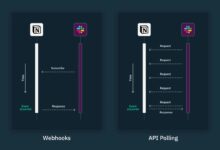
- Webhooks trigger actions based on specific events (e.g., new chat)
- OAuth ensures secure authentication between systems
Platforms like Zapier or Microsoft Power Automate can simplify integration for non-technical users.
Data Synchronization and Security
For the integration to work effectively, data must flow securely and consistently between systems. This requires robust synchronization protocols and compliance with data protection regulations like GDPR and CCPA.
- Encrypted data transfer prevents unauthorized access
- Regular sync intervals ensure up-to-date records
- Role-based access controls protect sensitive customer information
Businesses must also ensure that AI chatbots are trained on anonymized data to prevent privacy breaches.
Intelligent Routing and Workflow Automation
Once a chatbot captures a customer’s intent, it must decide what to do next. This is where workflow automation comes in. Based on predefined rules, the system can route conversations to the right department, trigger marketing campaigns, or update sales pipelines.
- Rule-based routing sends technical issues to support and sales inquiries to reps
- Dynamic workflows adapt based on customer behavior
- CRM triggers initiate follow-up actions like sending a discount code
This level of automation turns passive data into proactive engagement.
Top CRM Platforms with AI Chatbot Integration Capabilities
Not all CRM systems are created equal when it comes to AI chatbot integration. Some platforms offer native support, while others require third-party tools. Here’s a look at the leading options.
Salesforce with Einstein Bots
Salesforce, a market leader in CRM, offers Einstein Bots—a native AI chatbot builder that integrates seamlessly with its Service Cloud. Einstein Bots can handle service requests, qualify leads, and update records without leaving the Salesforce ecosystem.
- Drag-and-drop bot builder for non-developers
- Pre-built templates for common use cases
- Deep integration with Salesforce data and workflows
Learn more at Salesforce Einstein Bots.
HubSpot with Custom Bot Integration
HubSpot doesn’t have a native AI chatbot, but it supports integration with popular chatbot platforms like Drift, Intercom, and ManyChat. These tools can sync with HubSpot’s CRM to capture leads and track interactions.
- Real-time lead capture from website chats
- Behavioral tracking and segmentation
- Automated follow-up sequences based on chat data
HubSpot’s open API makes it flexible for custom integrations.
Zoho CRM with Zia AI Assistant
Zoho CRM includes Zia, an AI-powered assistant that can automate tasks, predict outcomes, and even engage customers via chatbots. Zia can be trained to handle customer service queries and update CRM records autonomously.
- AI-driven suggestions for next best actions
- Voice and text-based chatbot support
- Integration with Zoho’s entire suite of business apps
Zoho offers a cost-effective solution for small to mid-sized businesses.
Implementing CRM with AI Chatbot Integration: A Step-by-Step Guide
Deploying a CRM with AI chatbot integration doesn’t have to be overwhelming. Follow this structured approach to ensure a smooth rollout.
Step 1: Define Your Objectives
Start by identifying what you want to achieve. Are you looking to improve response times? Increase lead conversion? Reduce support costs? Clear goals will guide your integration strategy.
- Map out key customer touchpoints
- Prioritize use cases (e.g., FAQs, lead capture)
- Set measurable KPIs (e.g., 30% faster response time)
Without clear objectives, even the most advanced CRM with AI chatbot integration can underperform.
Step 2: Choose the Right Tools
Not every chatbot platform integrates well with every CRM. Evaluate options based on compatibility, ease of use, scalability, and support.
- Check for pre-built connectors or APIs
- Assess the learning curve for your team
- Consider multilingual and multi-channel support
Popular chatbot platforms include Google Dialogflow, IBM Watson Assistant, and Microsoft Bot Framework.
Step 3: Design Conversational Flows
The success of your AI chatbot depends on how natural and helpful the conversations feel. Design scripts that reflect your brand voice and anticipate customer needs.
- Create decision trees for common queries
- Include fallback options for misunderstood inputs
- Test flows with real users before launch
Use CRM data to personalize greetings and recommendations.
Step 4: Integrate and Test
Use APIs or integration platforms to connect your chatbot with your CRM. Test the system thoroughly to ensure data flows correctly and workflows function as intended.
- Verify that chat transcripts are logged in CRM
- Test lead capture and assignment rules
- Simulate high-volume scenarios to check performance
Start with a pilot group before full deployment.
Step 5: Train Your Team and Monitor Performance
Your team needs to understand how the CRM with AI chatbot integration works. Provide training on monitoring conversations, handling escalations, and interpreting analytics.
- Set up dashboards to track chatbot performance
- Review transcripts to identify improvement areas
- Continuously refine chatbot responses based on feedback
AI improves over time—so should your strategy.
Common Challenges and How to Overcome Them
While the benefits are significant, implementing a CRM with AI chatbot integration comes with challenges. Being aware of them early can prevent costly setbacks.
Challenge 1: Poor Natural Language Understanding
If the chatbot fails to understand customer queries, it frustrates users and damages trust. This often happens when the AI isn’t trained on enough real-world data.
- Solution: Train the bot on historical chat logs and common phrases
- Use intent recognition models to improve accuracy
- Implement a human fallback option
Regularly update the training dataset to reflect new products or services.
Challenge 2: Data Silos and Integration Gaps
If the chatbot can’t access CRM data or fails to update it, the integration loses its value. This often occurs with poorly configured APIs or outdated systems.
- Solution: Use middleware like Zapier or MuleSoft for seamless sync
- Ensure both systems use compatible data formats
- Conduct regular integration audits
Choose platforms with strong API documentation and developer support.
Challenge 3: Over-Automation and Loss of Human Touch
While automation is efficient, customers still value empathy. Over-reliance on chatbots can make interactions feel robotic and impersonal.
- Solution: Design chatbots to recognize emotional cues
- Enable smooth handoffs to human agents
- Use chatbots for routine tasks, not complex emotional issues
“The best customer experiences blend automation with humanity.” — Forrester Research
Striking the right balance is key to long-term success.
Future Trends in CRM with AI Chatbot Integration
The evolution of AI and CRM technology is accelerating. Here’s what the future holds for CRM with AI chatbot integration.
Voice-Activated CRM Assistants
As voice search and smart speakers grow in popularity, CRM systems will support voice-based chatbots. Imagine a sales rep asking, “What’s the status of John Doe’s proposal?” and getting an instant update from their CRM via a voice assistant.
- Integration with Alexa for Business or Google Assistant
- Voice-to-CRM data entry for field agents
- Hands-free access to customer insights
This trend will enhance productivity, especially in mobile or remote work environments.
Predictive Customer Service
Future AI chatbots won’t just react—they’ll anticipate. By analyzing behavioral patterns, they’ll proactively reach out to customers before issues arise.
- Alerting customers about subscription renewals
- Offering troubleshooting tips before a product fails
- Suggesting upgrades based on usage patterns
This shift from reactive to proactive service will redefine customer expectations.
Emotion AI and Sentiment-Driven Interactions
Advanced AI models are now capable of detecting emotions through text and voice. In the near future, CRM with AI chatbot integration will adjust responses based on a customer’s emotional state.
- Switching to a more empathetic tone when frustration is detected
- Prioritizing angry customers for immediate human intervention
- Measuring emotional engagement as a KPI
This level of emotional intelligence will make digital interactions feel more human.
What is CRM with AI chatbot integration?
CRM with AI chatbot integration is the fusion of customer relationship management systems with artificial intelligence-powered chatbots. This allows businesses to automate customer interactions, capture data in real time, and deliver personalized experiences at scale.
How does AI chatbot integration improve customer service?
It enables 24/7 support, reduces response times, handles high volumes of inquiries, and provides consistent, personalized responses. It also frees human agents to focus on complex issues by handling routine queries automatically.
Can AI chatbots update CRM data automatically?
Yes, AI chatbots can log conversations, update customer profiles, create tickets, and trigger workflows within the CRM system in real time, eliminating manual data entry and reducing errors.
Which CRM platforms support AI chatbot integration?
Top platforms include Salesforce with Einstein Bots, HubSpot with third-party chatbot tools, and Zoho CRM with Zia AI. Most modern CRMs offer API-based integration with popular chatbot builders.
Is CRM with AI chatbot integration suitable for small businesses?
Absolutely. Many chatbot and CRM platforms offer scalable, affordable plans. Small businesses can use this integration to compete with larger companies by providing fast, personalized service without a large team.
The integration of AI chatbots into CRM systems is no longer a futuristic concept—it’s a present-day necessity for businesses aiming to deliver exceptional customer experiences. A CRM with AI chatbot integration enhances efficiency, personalization, and scalability while reducing costs and improving data accuracy. From automating lead qualification to enabling 24/7 support, the benefits are transformative. As AI technology continues to evolve, the potential for even smarter, more empathetic customer interactions grows. The key to success lies in strategic implementation, continuous optimization, and maintaining the human touch where it matters most. Businesses that embrace this integration today will be well-positioned to lead in the customer-centric economy of tomorrow.
CRM with AI Chatbot Integration – CRM with AI Chatbot Integration menjadi aspek penting yang dibahas di sini.
Further Reading: