In today’s hyper-competitive business landscape, the right CRM can be your ultimate game-changer. Discover the best enterprise CRM solutions that empower scalability, intelligence, and seamless customer engagement.
What Makes a CRM Truly Enterprise-Grade?
Not all CRMs are built to handle the complexity of large-scale operations. Enterprise CRM systems must go beyond basic contact management to deliver robust integration, advanced analytics, and global scalability. These platforms are engineered for organizations with complex sales cycles, distributed teams, and high-volume customer interactions.


Scalability and Performance Under Load
One of the defining traits of the best enterprise CRM solutions is their ability to scale seamlessly as your business grows. Whether you’re adding thousands of new users or managing millions of customer records, the system must maintain performance without latency or downtime.
- Support for multi-region data centers
- Dynamic resource allocation based on usage spikes
- Load-balanced architecture for uninterrupted access
For instance, Salesforce leverages a global cloud infrastructure that ensures high availability and low-latency responses across continents, making it a benchmark in scalability.
Advanced Security and Compliance Features
Enterprise organizations operate under strict regulatory environments such as GDPR, HIPAA, and CCPA. The best enterprise CRM solutions offer granular role-based access control, end-to-end encryption, and audit trails to ensure data integrity and compliance.
- Multi-factor authentication (MFA) integration
- Data residency controls for regional compliance
- Automated compliance reporting tools
“Security isn’t a feature—it’s the foundation of enterprise trust.” — Gartner Research, 2023
Top 7 Best Enterprise CRM Solutions in 2024
The market is flooded with CRM platforms, but only a few meet the rigorous demands of enterprise operations. Below, we analyze the seven most powerful CRM systems that dominate the enterprise space this year, based on functionality, user satisfaction, and innovation.
1. Salesforce Sales Cloud: The Undisputed Leader
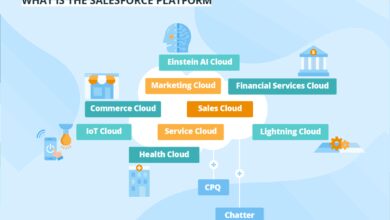
Salesforce continues to lead the pack as the most comprehensive and widely adopted enterprise CRM. Its Sales Cloud offers AI-driven insights via Einstein Analytics, deep customization through Lightning Platform, and an expansive AppExchange ecosystem.
- AI-powered forecasting and lead scoring
- Real-time collaboration tools for global teams
- Over 3,000 pre-built integrations
According to Gartner’s CRM Magic Quadrant 2024, Salesforce ranks highest in both ability to execute and completeness of vision. It’s particularly strong in industries like financial services, healthcare, and telecommunications.
2. Microsoft Dynamics 365: Seamless Integration with Office Ecosystem
For enterprises deeply embedded in the Microsoft ecosystem, Dynamics 365 offers unparalleled integration with Outlook, Teams, SharePoint, and Azure. This tight synergy reduces training time and increases user adoption across departments.
- Native integration with Microsoft Power BI for advanced reporting
- AI-driven customer service insights via Customer Service Insights
- Low-code customization using Power Apps
Dynamics 365 stands out for its hybrid deployment options, allowing businesses to maintain on-premise data while leveraging cloud flexibility. It’s a top choice for manufacturing and public sector organizations.
3. HubSpot Enterprise: Scalable Inbound Powerhouse
While HubSpot started as a mid-market favorite, its Enterprise tier now competes head-on with traditional giants. The platform excels in inbound marketing automation, content management, and customer journey orchestration.
- Advanced segmentation and personalization engines
- Service Hub with AI chatbots and knowledge base
- Operations Hub for data synchronization and workflow automation
HubSpot’s intuitive interface and focus on user experience make it ideal for companies undergoing digital transformation. As noted in a Forrester Wave report, HubSpot leads in ease of use and marketing automation depth.
4. Oracle CX Sales: AI-Driven Intelligence at Scale
Oracle’s Customer Experience (CX) suite offers one of the most intelligent enterprise CRM platforms, powered by Oracle Adaptive Intelligent Apps. Its predictive lead scoring and next-best-action recommendations are unmatched in accuracy.
- Real-time AI suggestions during sales calls
- Integrated CPQ (Configure, Price, Quote) functionality
- Unified B2B and B2C customer profiles
Oracle CX is particularly effective for complex, high-velocity sales environments such as technology and industrial equipment sectors. Its strength lies in handling intricate product configurations and global pricing models.
5. SAP Customer Experience: End-to-End ERP Integration
For enterprises running SAP ERP systems, SAP Customer Experience (CX) offers seamless data flow between finance, supply chain, and customer management. This eliminates silos and ensures a single source of truth across operations.
- Tight integration with SAP S/4HANA
- Real-time inventory and order visibility in CRM
- Customer data platform (CDP) capabilities
SAP’s solution is ideal for large manufacturers and distributors who need real-time coordination between sales, logistics, and finance. It’s not the easiest to implement, but the ROI over time is substantial.
6. Zoho CRM Plus: All-in-One Suite with Enterprise Muscle
Zoho has evolved from a budget-friendly option to a full-fledged enterprise contender with Zoho CRM Plus. This suite bundles sales, marketing, support, and collaboration tools into a single platform, reducing vendor sprawl.
- Zia AI for voice-assisted selling and sentiment analysis
- Customizable workflows with Blueprint automation
- On-premise deployment option for data-sensitive industries
Zoho’s affordability and breadth of functionality make it attractive for mid-to-large enterprises looking to consolidate platforms. Its recent investments in AI and security have closed the gap with premium players.
7. Pipedrive Enterprise: Sales Pipeline Mastery
While traditionally seen as a sales-focused CRM, Pipedrive’s Enterprise plan now includes advanced automation, team productivity insights, and API scalability suitable for large organizations. Its visual pipeline interface remains one of the most intuitive in the market.
- Customizable pipeline stages with AI-driven forecasts
- Advanced reporting with multi-currency and multi-language support
- Dedicated account managers and SLA-backed support
Pipedrive shines in industries with long sales cycles, such as real estate, SaaS, and consulting. Its focus on sales methodology makes it a favorite among revenue leaders.
Key Features to Look for in Best Enterprise CRM Solutions
Choosing the right CRM isn’t just about brand reputation—it’s about aligning features with your business needs. The best enterprise CRM solutions share a set of core capabilities that enable efficiency, insight, and growth.
AI and Predictive Analytics
Modern enterprise CRMs leverage artificial intelligence to automate routine tasks, predict customer behavior, and recommend actions. AI-driven insights reduce guesswork and increase win rates.
- Lead scoring based on engagement patterns
- Churn prediction models
- Automated email personalization
For example, Salesforce Einstein and Microsoft Dynamics 365 AI can analyze historical data to forecast which deals are most likely to close, allowing sales teams to prioritize effectively.
Customization and Workflow Automation
No two enterprises operate the same way. The best enterprise CRM solutions offer deep customization through low-code/no-code tools, APIs, and process automation.
- Drag-and-drop workflow builders
- Custom objects and fields
- Approval processes and conditional logic
Tools like HubSpot’s Operations Hub and Zoho’s Blueprint allow non-technical users to design complex automations, reducing dependency on IT teams.
Omni-Channel Customer Engagement
Today’s customers interact across email, chat, social media, phone, and in-person. The best enterprise CRM solutions unify these channels into a single customer view.
- Integrated live chat and messaging platforms
- Social media monitoring and response tools
- Call center integration with VoIP providers
Oracle CX and Salesforce Service Cloud offer robust omni-channel support, enabling agents to switch contexts seamlessly without losing conversation history.
Integration Capabilities of Best Enterprise CRM Solutions
A CRM is only as powerful as its ability to connect with other systems. The best enterprise CRM solutions offer extensive integration options with ERP, marketing automation, e-commerce, and HR platforms.
ERP and Financial System Integration
For enterprises, syncing CRM with ERP systems like SAP, Oracle NetSuite, or Microsoft Dynamics Finance ensures accurate forecasting, order fulfillment, and revenue recognition.
- Real-time sync of customer orders and invoices
- Automated credit checks and payment tracking
- Unified customer master data
SAP CX and Oracle CX excel here due to native integration with their respective ERP suites, minimizing data duplication and errors.
Marketing and E-Commerce Platforms
CRMs must integrate with tools like Shopify, Magento, Marketo, and Google Ads to track customer journeys from first click to post-purchase engagement.
- Automated lead capture from web forms and ads
- Behavioral tracking across digital touchpoints
- Personalized retargeting campaigns
HubSpot and Salesforce offer pre-built connectors to major e-commerce and marketing platforms, enabling closed-loop attribution and ROI measurement.
APIs and Developer Ecosystems
Enterprises often require custom integrations. The best enterprise CRM solutions provide robust APIs, SDKs, and developer communities to support bespoke development.
- REST and SOAP APIs with comprehensive documentation
- Webhooks for real-time event triggers
- Developer sandboxes for testing
Salesforce’s extensive API library and Zoho’s multi-language SDKs empower developers to build tailored solutions that align with unique business logic.
Best Enterprise CRM Solutions – Best Enterprise CRM Solutions menjadi aspek penting yang dibahas di sini.
Total Cost of Ownership (TCO) Analysis for Best Enterprise CRM Solutions
While upfront licensing fees are visible, the true cost of a CRM includes implementation, training, customization, and ongoing support. Understanding TCO is critical when evaluating the best enterprise CRM solutions.
Licensing and Subscription Models
Most enterprise CRMs use tiered pricing based on features and user count. However, costs can escalate quickly with add-ons like AI, advanced analytics, or premium support.
- Salesforce Enterprise starts at $150/user/month, with Unlimited edition exceeding $300
- Microsoft Dynamics 365 Sales Professional is $95/user/month, but premium features require additional modules
- HubSpot Enterprise begins at $1,200/month for up to 10 users, scaling with usage
It’s essential to negotiate enterprise agreements (EAs) for volume discounts and long-term savings.
Implementation and Consulting Costs
Implementation can cost 2–5x the annual license fee, depending on complexity. This includes data migration, system configuration, and integration work.
- Average Salesforce implementation: $50,000–$250,000+
- Dynamics 365: $40,000–$200,000
- Oracle CX: $100,000–$500,000+
Partner with certified consultants from firms like Accenture, Deloitte, or specialized CRM integrators to ensure smooth deployment.
Hidden Costs: Training, Maintenance, and Upgrades
Many organizations underestimate the cost of user adoption. Ongoing training, system maintenance, and upgrade management contribute significantly to TCO.
- Annual training programs for new hires and feature updates
- Internal CRM administrator roles (full-time or part-time)
- Cost of downtime during upgrades or outages
Platforms with intuitive UIs like HubSpot and Pipedrive reduce training costs, while complex systems like SAP require dedicated internal teams.
User Adoption and Training Strategies for Best Enterprise CRM Solutions
A CRM is only effective if employees actually use it. Poor adoption is the number one reason for CRM failure in enterprises.
Change Management and Leadership Buy-In
Successful CRM rollouts start at the top. Executive sponsorship ensures resources, messaging, and accountability.
- Appoint a CRM champion or steering committee
- Communicate the ‘why’ behind the CRM initiative
- Align CRM goals with performance metrics
Companies like IBM and Cisco use internal campaigns to drive adoption, including gamification and recognition programs.
Role-Based Training Programs
One-size-fits-all training doesn’t work. Tailor programs to sales, marketing, support, and management roles.
- Hands-on workshops for data entry and pipeline management
- Advanced sessions on reporting and automation for admins
- On-demand video libraries for just-in-time learning
Microsoft offers free training via Microsoft Learn, while Salesforce provides Trailhead, a gamified learning platform with over 2,000 modules.
Ongoing Support and Feedback Loops
Adoption doesn’t end at launch. Continuous support and feedback mechanisms keep users engaged.
- Dedicated help desks or internal support teams
- Regular user surveys to identify pain points
- Quarterly review meetings to optimize usage
HubSpot’s customer success managers work closely with enterprise clients to monitor adoption and suggest improvements.
Future Trends Shaping the Best Enterprise CRM Solutions
The CRM landscape is evolving rapidly. The best enterprise CRM solutions are not just keeping pace—they’re driving innovation.
AI-Powered Hyper-Personalization
Next-gen CRMs will use AI to deliver real-time, context-aware experiences. Imagine a sales rep receiving a script generated on the fly based on the customer’s mood, past behavior, and current intent.
- Natural language generation for personalized emails
- Emotion detection from voice and text
- Dynamic pricing and offer recommendations
Salesforce and Oracle are already testing generative AI features that draft responses and summarize call transcripts.
Embedded Analytics and Decision Intelligence
CRMs are becoming decision engines, not just data repositories. Embedded analytics provide actionable insights without requiring separate BI tools.
- Automated anomaly detection in sales performance
- Scenario modeling for revenue forecasting
- Prescriptive recommendations for next steps
Microsoft Dynamics 365’s integration with Power BI sets a high bar for in-context analytics.
Customer Data Platforms (CDPs) and Identity Resolution
The line between CRM and CDP is blurring. The best enterprise CRM solutions now include identity resolution to unify customer profiles across devices and channels.
- Real-time stitching of anonymous and known user data
- Consent management for privacy compliance
- Single customer view with 360-degree history
Oracle Unity and Salesforce Customer 360 are leading this convergence, enabling truly personalized engagement at scale.
What defines the best enterprise CRM solutions in 2024?
The best enterprise CRM solutions combine scalability, AI-driven intelligence, deep integration capabilities, and strong security. They are not just tools for managing contacts but strategic platforms for driving revenue, enhancing customer experience, and enabling digital transformation.
Which CRM is best for large enterprises with complex sales cycles?
Salesforce Sales Cloud and Oracle CX Sales are ideal for complex, high-velocity sales environments due to their AI-powered forecasting, CPQ integration, and global scalability.
How much does an enterprise CRM typically cost?
Annual costs range from $50,000 to over $1 million, depending on the vendor, number of users, and customization needs. Implementation often costs 2–5x the annual license fee.
Can small businesses use enterprise CRM solutions?
While possible, enterprise CRMs are overkill for most small businesses due to cost and complexity. Platforms like HubSpot or Zoho offer scalable plans that grow with the business.
How long does CRM implementation take for large organizations?
Typical implementation timelines range from 3 to 12 months, depending on data complexity, integration requirements, and organizational readiness.
Selecting the best enterprise CRM solutions is a strategic decision that impacts every customer-facing function. From Salesforce’s market dominance to Zoho’s cost-effective suite, the right choice depends on your industry, IT ecosystem, and long-term vision. Evaluate not just features, but total cost, user adoption potential, and future readiness. The CRM you choose today will shape your customer relationships for years to come.
Best Enterprise CRM Solutions – Best Enterprise CRM Solutions menjadi aspek penting yang dibahas di sini.
Further Reading: